 BAUDOG The dictionary of dog–human communication
Contents
- In short
- When it happens
- How your dog feels
- Three questions to ask first
- The four-step plan
- Why it gets worse before it gets better (the extinction burst)
- What to do in each situation
- If a trainer came to your home: the first session and the first homework
- The missing core skill
- Exercises
- In the moment: do / don’t
- When to see a professional
- Sources
In short
Demand barking isn’t your dog being spoiled or trying to boss you around. Barking got her dinner, a game or your attention — a few times — and she learned it’s the fastest way to ask. The fix has four parts: (1) log when she barks and what she wants; (2) meet that need before the barking starts; (3) teach her a different way to ask, like sitting to say “please”; (4) don’t respond while she barks — respond the moment she’s quiet. When you stop answering, the barking often gets worse for a while. Don’t give in. And rather than just waiting it out, getting ahead of her needs and teaching a better way to ask is easier on both of you.
When it happens
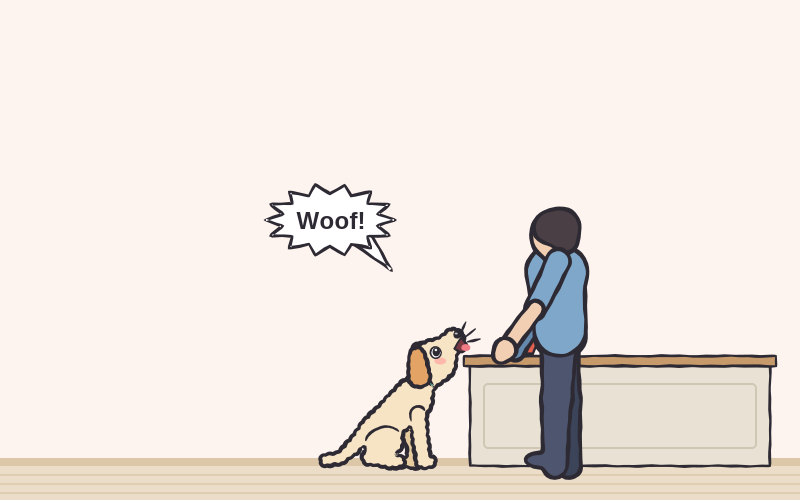
- The moment you start making dinner, your dog barks until the bowl hits the floor
- You sit down on the couch and she stares at you and barks for a game
- She saves her barking for phone calls and video meetings
- She barks to be let out of her pen or crate
- Walk time is coming, and she barks at the leash hook
How your dog feels
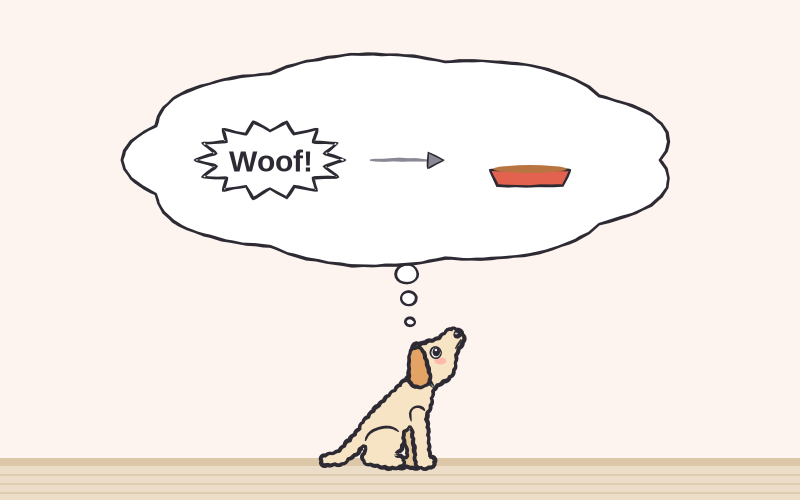
She barked, and you looked at her. Dinner came faster. You played with her. Dogs repeat whatever works. The American Veterinary Society of Animal Behavior (AVSAB) says most of the behaviors owners want to change — excessive barking, jumping up, not coming when called — have nothing to do with rank. They happen because they’ve been rewarded without anyone meaning to, and because nobody has taught the dog a better alternative.
Once it works for one thing, it spreads. Dogs who successfully bark for attention often go on to bark for other things too — food, play, walks (ASPCA).
Barking is a natural way for dogs to talk to us. The problem isn’t the barking itself; it’s that she doesn’t know another way to ask. Showing her one is our job.
Three questions to ask first
Not everything that looks like demand barking is. Sometimes she really needs something. Check these three things before you start.
- Is there a pattern to when and where she barks? For a while — our rule of thumb is a few days to a week — note when, where and what was happening each time (before meals, when you get home, when you sit down, during calls). Once you see the pattern, you’ll know what she’s asking for and can get ahead of it.
- Does she actually need something? A toilet trip, water? If the barking has suddenly increased, she seems to be in pain, or an older dog has started barking at night, see your vet first (see “When to see a vet” below).
- Is someone in the family answering the barking? If even one person responds, she learns that if she keeps going, somebody will give in. Everyone needs the same rule.
The four-step plan
“Just ignore it” on its own often fails. The East Bay SPCA recommends getting ahead of your dog’s needs and teaching her a new way to ask, rather than relying on ignoring alone.
- 1. Log it: the first of the three questions above. Make a list of the moments she barks.
- 2. Get ahead of it: keep meals, walks and play at around the same times every day (RSPCA). Give her exercise that suits her age and body, plus sniffing games and puzzle toys, so she’s less bored. Before you sit on the couch, start cooking or take a call, hand her a stuffed food toy or a chew.
- 3. Teach a different way to ask: the easiest is “say please by sitting” — she sits, and what she wants happens. If she wants to play, teach her to bring a toy and sit. If she wants to go out, you can teach her to ring a bell hung on the door. When she uses the new signal, always answer it — if you don’t, she’ll fall back on barking.
- 4. Don’t respond while she barks: no looking, no talking, no touching. Turn your back or leave the room. The moment she’s quiet — even for a second — respond (open the gate, give the treat, turn back to her). As she catches on, gradually ask for longer quiet before you respond, mixing the times up: 5 seconds, then 12, then 3, then 20 (Humane World for Animals).
- Separately, go to her when she’s lying quietly and give her attention — a kind word, a stroke, the odd treat. She learns good things come without barking, too (ASPCA).
Why it gets worse before it gets better (the extinction burst)
If barking used to work and suddenly doesn’t, she’ll try harder — barking longer and louder — before she gives up. It’s like a vending machine that takes your money and gives you nothing: you don’t walk away, you press the button again and again. Trainers call this an extinction burst.
Give in now and you teach her that she just needs to bark harder. So once the whole family starts the new rule, stick with it. But waiting out a burst is frustrating for dogs and unpleasant for people (East Bay SPCA). Before you rely on waiting, reduce the moments she barks in the first place — meet her needs early and teach “say please by sitting.” For the times you’re most likely to cave, like phone calls, hand her a food toy before you start.
What to do in each situation
- Before meals: stand holding the bowl. When she sits, start lowering it. If she stands up or barks, the bowl goes back up. Once it reaches the floor, say “Free” and she can eat (step 2 of Say Please by Sitting). If she barks while you cook, give her a food toy on her mat before you start
- When you sit down to relax: hand her a chew or puzzle toy before you sit. If she barks, get up and leave the room. Come back when she’s quiet
- When she wants out of her pen or crate: don’t open it while she barks. Open it the moment she’s quiet, even for a second, and slowly ask for longer quiet before you open it
- During calls and video meetings: beforehand, give her some exercise and a long-lasting food toy
- When you come home: as you walk in, scatter a few treats on the floor. Put your things down while she sniffs them out, and say hello once she’s calm (East Bay SPCA)
- Barking at the leash: if she barks, put the leash down and wait a moment. When she sits, clip it on straight away (Say Please by Sitting)
If a trainer came to your home: the first session and the first homework
Here is how we’d expect the first in-home session to go — one example, not a fixed script.
- Assessment: you go through your barking log together and sort out what she’s asking for — attention, food, play, a toilet trip, or plain over-excitement. The trainer asks each family member what they do when she barks
- Today: the trainer demonstrates step 1 of Say Please by Sitting (stand holding a treat; when she sits, she gets it), then each family member has a go. You write the barking rule on a note — no looking, talking or touching; turn your back; respond when she’s quiet
- Homework: Say Please by Sitting several times a day, 5–10 reps a session, and the bowl routine before every meal. For each barking moment in your log, have a food toy ready to hand over first
- Next visit: before a meal, does she sit on her own, without being asked? In the log, are the barking bouts fewer or shorter? (The trainer expects they may have gone up at first, right after the rule started)
The missing core skill
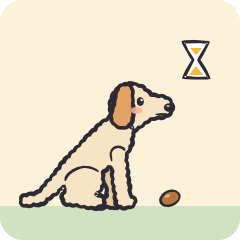 Core skill Impulse Control Pausing instead of barking when something she wants is right there. Say Please by Sitting builds it.
 Core skill Settling Down Being able to relax through the quiet parts of the day. Relaxing on a Mat builds it.
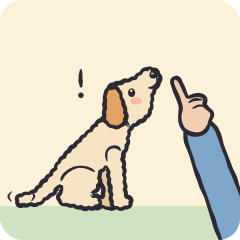 Core skill Understanding Cues Knowing what actually gets her what she wants — sitting, being quiet.
Exercises
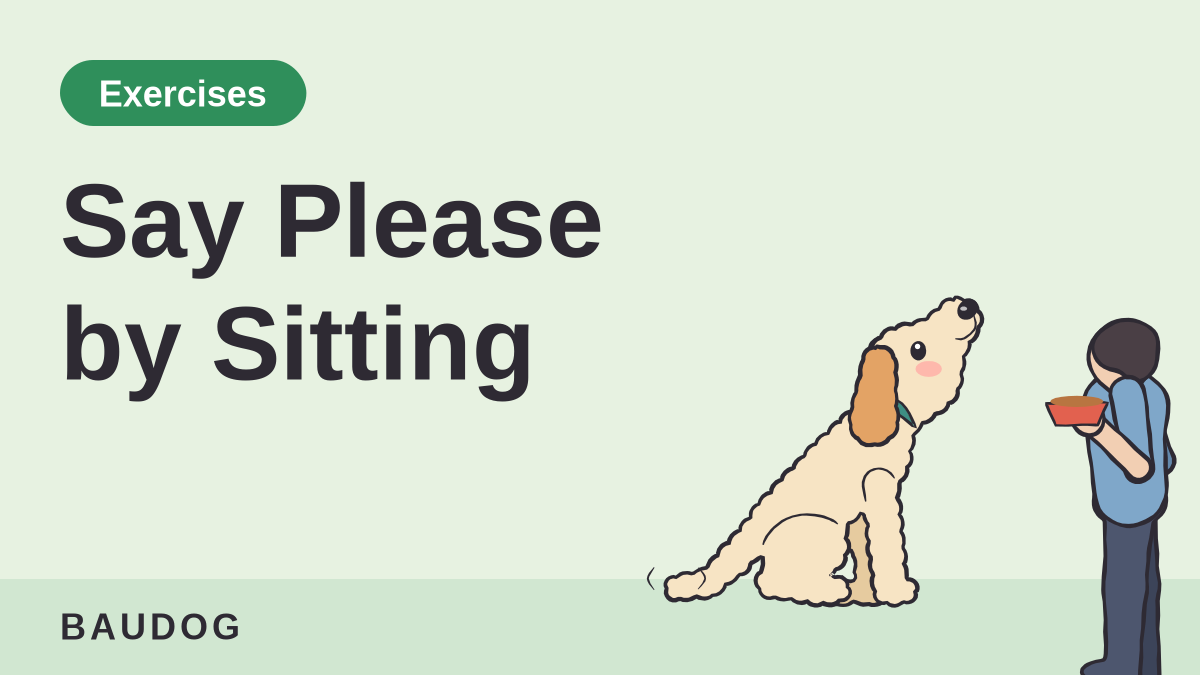
- ExerciseSay Please by SittingDoable at home (Steps 1–3 at home)When she wants something, she sits and waits — on her own, without being asked.Read →
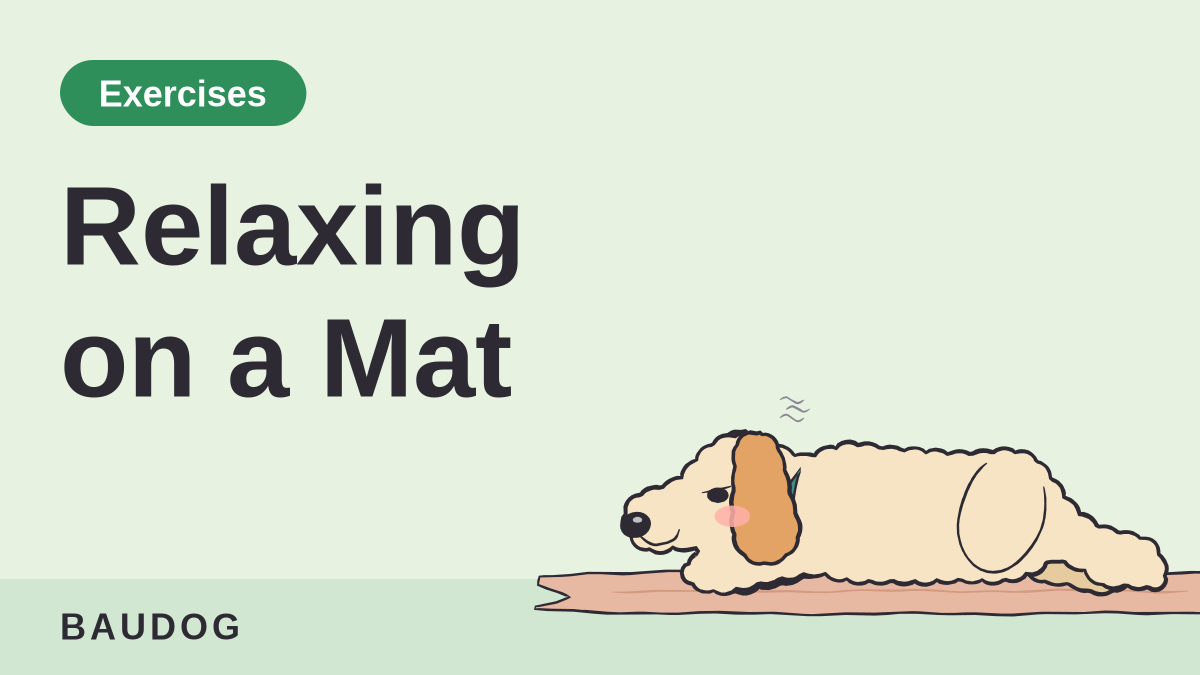
- ExerciseRelaxing on a Mat: How to Teach Your Dog to SettleDoable at home (Steps 1–4 at home)When she steps onto the mat, she lies down on her own and rolls onto one hip to relax.Read →
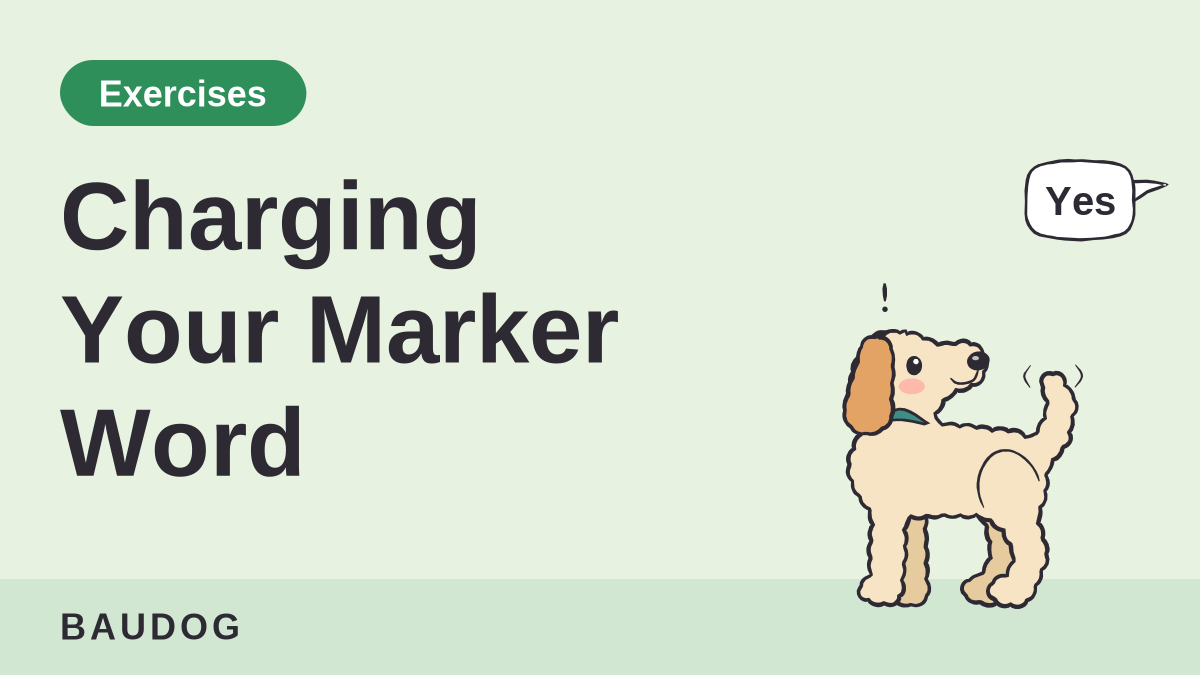
- ExerciseCharging Your Marker Word: How to Teach Your Dog That “Yes” Means a RewardDoable at home (Steps 1–4 at home)The instant your dog hears “Yes,” she snaps her attention to you — she knows a reward is on its way.Read →
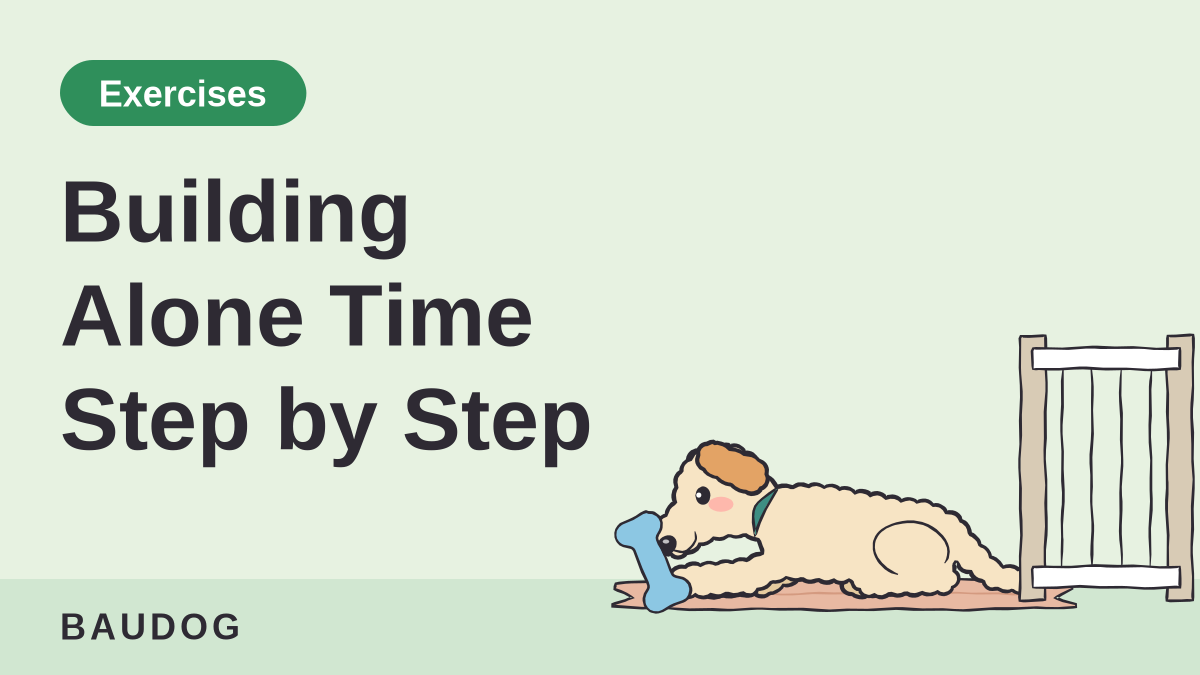
- ExerciseBuilding Alone Time Step by Step: Training Your Dog to Stay Home AloneDoable at home (Steps 1–3 at home)Even when she can’t see you, she lies down, relaxed, and waits.Read →
In the moment: do / don’t
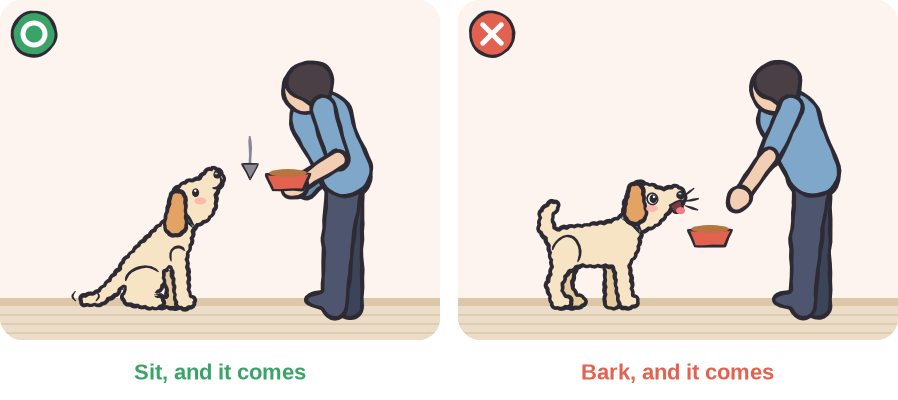
Do
- Log the barking and get ahead of her needs
- Respond the moment she’s quiet
- Always answer when she sits to say “please”
- Give her attention when she’s lying quietly
Don’t
- Hold out, then give in after she has barked for ages
- Shout “Quiet!” or punish her
- Let one person in the family keep answering the barking
- Ignore the new way of asking (sitting, ringing the bell)
When to see a professional
- The barking started suddenly or has increased. Hearing problems, pain or another health issue can be behind it — see your vet
- An older dog wanders the house at night, sleeps more during the day, gets lost or stuck in corners at home, or no longer responds to cues she knew. This can be cognitive decline — see your vet
- She barks only when you’re out or out of sight. That can be distress at being alone (separation-related problems). See our pages on being alone and on separation anxiety, and talk to your vet or a behavior professional
- A dog who stopped barking because she was punished has started growling or biting. Stop the punishment and get help from your vet or a qualified behavior professional
Go to the root
Don’t stop at the quick fix. Growing the skill underneath makes other problems lighter too.
- Core skill Impulse Control
- ExerciseSay Please by SittingDoable at home (Steps 1–3 at home)Read →
- ExerciseRelaxing on a Mat: How to Teach Your Dog to SettleDoable at home (Steps 1–4 at home)Read →
- ExerciseCharging Your Marker Word: How to Teach Your Dog That “Yes” Means a RewardDoable at home (Steps 1–4 at home)Read →
Sources
- East Bay SPCA — Demystifying Demand Barking (PDF, 2024)
- ASPCA — Barking
- Humane World for Animals (formerly the Humane Society of the United States) — How to get your dog to stop barking
- RSPCA (UK) — How to stop your dog barking too much
- AVSAB — Position Statement on the Use of Dominance Theory in Behavior Modification of Animals
- AVSAB — Position Statement on Humane Dog Training (2021)
- MSD Veterinary Manual (for veterinarians) — Behavior Problems of Dogs
- Oregon Humane Society — Sit to Say “Please”
- Peninsula Humane Society & SPCA — Teaching a dog not to dart out the open door
- Cornell Riney Canine Health Center — Cognitive Dysfunction Syndrome