 BAUDOG The dictionary of dog–human communication
Problems
Problems
Barking, pulling, not coming when called. Each problem traced back to how your dog feels and which skill is missing.
-
 Problems How to Stop a Dog From Barking: Find the Reason, Then Train There’s no such thing as “barking for no reason.” Your dog is telling you something: go away, I’m excited, I’m bored, I’m worried on my own. Scolding doesn’t remove the reason, so the barking comes back. First, note when and at what she barks, so you know which kind it is. Next, cut down the chances to bark — frosted film on the window, for example — and reward the moments she stays quiet. Then start the practice that fits her kind of barking (relaxing on a mat, getting used to sounds starting very quietly), at home first. The goal is less barking, not none. If the barking started suddenly, see your vet first. Read →
-
 Problems Demand Barking: How to Stop It Without Just Ignoring Your Dog Demand barking isn’t your dog being spoiled or trying to boss you around. Barking got her dinner, a game or your attention — a few times — and she learned it’s the fastest way to ask. The fix has four parts: (1) log when she barks and what she wants; (2) meet that need before the barking starts; (3) teach her a different way to ask, like sitting to say “please”; (4) don’t respond while she barks — respond the moment she’s quiet. When you stop answering, the barking often gets worse for a while. Don’t give in. And rather than just waiting it out, getting ahead of her needs and teaching a better way to ask is easier on both of you. Read →
-
 Problems Puppy Crying at Night: What to Do — and When an Older Dog’s Night Crying Needs a Vet A puppy crying at night is usually doing two things: telling you she has never slept alone before — she’s just left her mother and littermates — and telling you she needs the toilet (to go potty). Don’t leave her to cry it out, especially in the first few nights. Put her bed in your bedroom or right next to it. When she cries in the night, take her to the toilet first, then back to bed with the lights low, no chatting and no play. Once she sleeps through the night, move the bed gradually to where you want it. If an adult or senior dog suddenly starts crying at night, see your vet before you treat it as a training problem: pain, illness and age-related changes in the brain are common causes. Read →
-
 Problems Dog Barks at the Doorbell? Change What the Ding-Dong Means Your dog barks at the doorbell because the sound has come to mean “a stranger is coming.” And while she’s barking, the delivery driver walks away. From her point of view, barking drove them off — so the more she barks, the more likely the habit is to stick. The fix is to change what the doorbell means. First change the chime, and while you’re training, cut down how often it rings. Then, starting with a quiet recording, teach her that when the doorbell rings, she runs to her mat for a treat. Yelling at her can sound to her like you’re joining in, and tends to make the barking worse. Read →
-
 Problems Dog Barking at Visitors? How to Tell Why — and a Trainer’s Plan for the Front Door Your dog isn’t trying to be the boss. Dogs bark at visitors because a stranger coming into the house is scary, because they’re guarding their home, or because they’re over-excited — sometimes a mix. Body language tells you which. First, stop the rush to the door: a gate, another room or a leash. Ask guests not to look at, touch or talk to your dog at first, and don’t tell her off for barking. Then, on days with no visitors, practice “doorbell means go to your mat” with family members playing the visitor. If she growls or tries to bite, don’t put her with visitors at all — get professional help. Read →
-
 Problems Dog Barking at Other Dogs on Walks: Why It Happens and How to Help A dog who barks at other dogs isn’t badly trained, and she isn’t trying to be the boss. Most of the time it’s one of two things: fear (“go away”) or frustration (“I want to go over there and I can’t”). Either way, the other dog is closer than your dog can cope with. First, cut down on close encounters — change when and where you walk, and turn away early. Then, at a distance where she doesn’t bark, teach her that seeing a dog means something good is coming. Don’t scold her or yank the leash: that only makes other dogs more unpleasant. Read →
-
 Problems Dog Barks at Strangers on Walks: Why It Happens and How to Help Without Scaring Her When a dog barks at strangers on a walk, it’s usually fear: “don’t come any closer.” The person walks on, so barking seems to work, and the habit grows. Some dogs bark for the opposite reason — they’re desperate to greet people and the leash holds them back. Either way, start by avoiding close encounters and don’t let strangers touch her. Then, at a distance where she doesn’t bark, teach her that seeing a person means something good is coming. Scolding and leash jerks make people scarier, so leave them out. Read →
-
 Problems How to Stop Puppy Biting: When It Ends, What Works, and When It’s Not Play Puppy biting is normal — it comes from play, exploring with the mouth, and teething. You don’t stop it by telling her off. You stop the fun the moment teeth touch skin, redirect her to a toy she’s allowed to chew, and protect her sleep, because puppies tend to bite more when they’re tired or overexcited. There’s no set month when it ends, but it should be steadily easing off. If the biting gets harder, more frequent, or comes with growling, talk to a professional. Read →
-
 Problems Dog Biting: Keep Everyone Safe First, Then Find Out Why and Fix It With a Professional When an adult dog bites for real, it’s usually because she’s afraid, in pain, guarding something she values, or doesn’t want to be handled. It isn’t because she’s “bad” or trying to dominate you. Before a bite there are nearly always signals — freezing, a hard stare, a growl. The first job isn’t retraining; it’s safety. Avoid the situations where she bites, and have your vet check her for pain or illness. If a bite has broken skin, if you live with children or older or frail family members, or if you can’t predict when she’ll bite, don’t try to train this alone — get professional help right away. Hitting, pinning her down or yelling can make biting worse. (Puppy nipping and play mouthing are a different problem — see our page on puppy biting.) Read →
-
 Problems Dog Growling: What It Means, Why You Shouldn’t Punish It, and What to Do A growl is a warning: “I don’t like this — stop.” If you punish the growl, some dogs stop warning and go straight to a bite. When your dog growls, stop what you’re doing and calmly move away. Then work out what was happening — guarding food or a toy, being touched, being disturbed while resting, a stranger or another dog — and make that situation less worrying for her. It isn’t about teaching her who’s boss. And if the growling started suddenly, see your vet first: pain is often part of the picture. Read →
-
 Problems Potty Training a Puppy (or an Adult Dog): A Trainer’s Plan for Fewer Accidents in the House Potty training is building one idea, over and over, without letting it fail: going in the right place makes something good happen. Your dog doesn’t arrive knowing where the bathroom is, and a puppy’s body can’t hold on for long yet. So take her to her spot at the times she’s most likely to need it — right after waking, after meals, after play — go out with her, and reward her the moment she finishes. Don’t scold accidents; it teaches dogs to hide. And if accidents suddenly increase, she goes very often, or there’s blood in her urine, see your vet before you change the training. A dog straining with little or nothing coming out needs a vet immediately. Read →
-
 Problems Leaving Your Dog Home Alone: How Long Is OK, and How to Build Up to It Staying home alone isn’t something dogs are born knowing — it’s a skill they learn. Don’t start with a long absence: begin with absences short enough that you’re back while she’s still relaxed, and build up a little at a time. The RSPCA and the Royal Kennel Club in the UK advise no more than four hours alone even for an adult dog who is used to it, and less for puppies. Before you go, walk her, let her toilet, and give her a special chew she only gets when you leave. If you come home to a mess, don’t scold her. And every so often, film her, to check she really is fine. Read →
-
 Problems Dog Separation Anxiety: Signs, Treatment, and When to See a Veterinary Behaviorist Separation anxiety is intense distress at being apart from the people a dog is attached to. It isn’t spite or a lack of discipline. It usually shows as you get ready to leave or within 15–30 minutes of you going: non-stop barking or howling, damage around doors and windows, accidents, drooling, refusing food. The heart of treatment is very short absences — short enough that you’re back before she starts to panic — built up a little at a time. While you train, avoid leaving her alone long enough to get upset (use day care, a sitter or family). In moderate to severe cases, a vet may combine medication with the training. It can take months. Read →
-
 Problems How to Stop Your Dog Jumping on People: Why Dogs Jump and What Works Your dog isn’t jumping to be the boss. She wants to get close to your face to say hello, and she wants your attention. If jumping keeps getting a reaction — petting, talking, a sharp “No!” or “Get down!”, a push away — she learns that jumping is how you get people to respond. Fixing it rests on two things. Before guests arrive, set things up so she can’t jump: a leash, a gate or a closed door. And let people come closer — and drop treats on the floor — only while all four of her paws are on the ground. Get the whole family doing the same thing. Expect the jumping to get worse for a little while when it stops working — keep going, and it fades. Read →
-
 Problems Dog Pulling on the Leash? Why Dogs Pull and How to Stop It — Plus the Right Harness and Leash Your dog isn’t pulling to be “dominant.” Pulling got her forward — and every walk repeated the lesson until it became a habit. Dogs Trust puts it plainly: each time pulling gets a dog where she wants to go, the pulling gets stronger and more automatic. To stop it, the whole family agrees on one rule: she only moves forward while the leash is loose. Leash tight, you stop. Leash loose, you walk. At your side, she gets a reward. No leash jerks, no choke, prong or shock collars. Start the practice indoors, and until it’s solid, walk her on a well-fitting harness that keeps the pressure off her neck. Read →
-
 Problems Dog Eating Everything on Walks? How to Stop Scavenging, Safely Most scavenging is simply a dog doing what dogs do: looking for food. Every so often she hits the jackpot — something edible — and that keeps her searching. Telling her off doesn’t stop it, and chasing her to grab the item tends to feel like a game to her; some dogs even gulp their find down before it can be taken. The fix has three parts. 1) On walks, hold the leash short enough that she can’t reach what’s on the ground. 2) At home, start by teaching her to give up a treat in your closed hand, and build from there until she can walk past things on the street. 3) If something does end up in her mouth, don’t chase her — drop a few treats on the floor a little way off so she lets go. If she might have eaten something dangerous, don’t wait and see: call your vet. Don’t try to make her vomit yourself. Read →
-
 Problems Dog Eating Poop? Why Dogs Do It, How to Stop It, and When to See a Vet Eating poop is gross to us but common in dogs. In a large survey of mostly US owners, 16% of dogs had been seen eating dog poop at least six times, and nearly one in four at least once. In nursing mothers and young puppies it’s a natural behavior. The same research found that chasing the dog away, lacing poop with pepper, punishing with a shock or noise collar, and 11 products sold to stop poop eating almost never worked — owners reported success only 0–2% of the time. So the core of the fix is removing the chance to do it: go out with your dog every time she poops, call her to you the moment she’s finished for a really special treat, and pick it up while she eats it — a routine recommended by veterinary behaviorists and by PDSA, the UK veterinary charity. Don’t scold. If an adult dog starts suddenly, or is losing weight, vomiting, has diarrhea or seems ravenous, see your vet first. Read →
-
 Problems Dog Humping: Why Dogs Hump and How to Stop It Humping — clasping with the front legs and thrusting — is something male and female dogs both do, neutered and spayed dogs included. Dogs hump for many reasons: play, excitement, stress, sex or wanting your attention. You’ll often read that it’s about dominance, but views differ. The ASPCA does list social status as one reason, but only as one among many, and the American Veterinary Society of Animal Behavior (AVSAB) says most unruly behavior in dogs happens because it has been rewarded, not because a dog wants higher rank. If it happens now and then and bothers no one, you don’t need to stop it. If it does bother someone, skip the scolding: at the first warning signs (panting, sidling up), switch your dog to a toy or a cue she knows, and practice calming back down after excitement. If she licks her genitals a lot or pees more often than usual, see your vet first. Read →
-
 Problems Dog Won’t Walk on a Leash? 5 Reasons Dogs Stop, Sit or Plant Their Feet — and What to Do A dog who won’t walk usually isn’t being stubborn. There are five common reasons: she’s scared (traffic, noises, people, other dogs), sore (paws, joints, nails), too hot (the sidewalk is burning), tired (age, fitness), or she’d rather be somewhere else — still playing, heading for the park, or she has learned that stopping gets her a treat or a lift. A dog who isn’t used to a leash or harness can also find the equipment itself strange. The UK charity Dogs Trust advises a vet check first for any dog who refuses to walk. If her body and the weather check out, work out which reason it is. Never drag a frightened dog along on the leash; help her move away from what scares her, and build her confidence from a distance where she can stay calm. Read →
-
 Problems Dog Not Listening? 5 Real Reasons (It’s Not Stubbornness) and How to Retrain Your dog isn’t ignoring you to be dominant, and she isn’t being defiant. Usually it’s one of five things: (1) she hasn’t learned the cue in that place yet — she’s only practiced at home; (2) something else pays better, like smells or other dogs; (3) the cue isn’t getting through — you said it while she wasn’t looking, said it five times, or every family member uses a different word; (4) the cue has come to predict something unpleasant; (5) she’s in pain or can’t hear well. For each cue, check where it breaks down — inside, in front of the house, on a quiet street, around distractions — and rebuild from one step before that. Read →
-
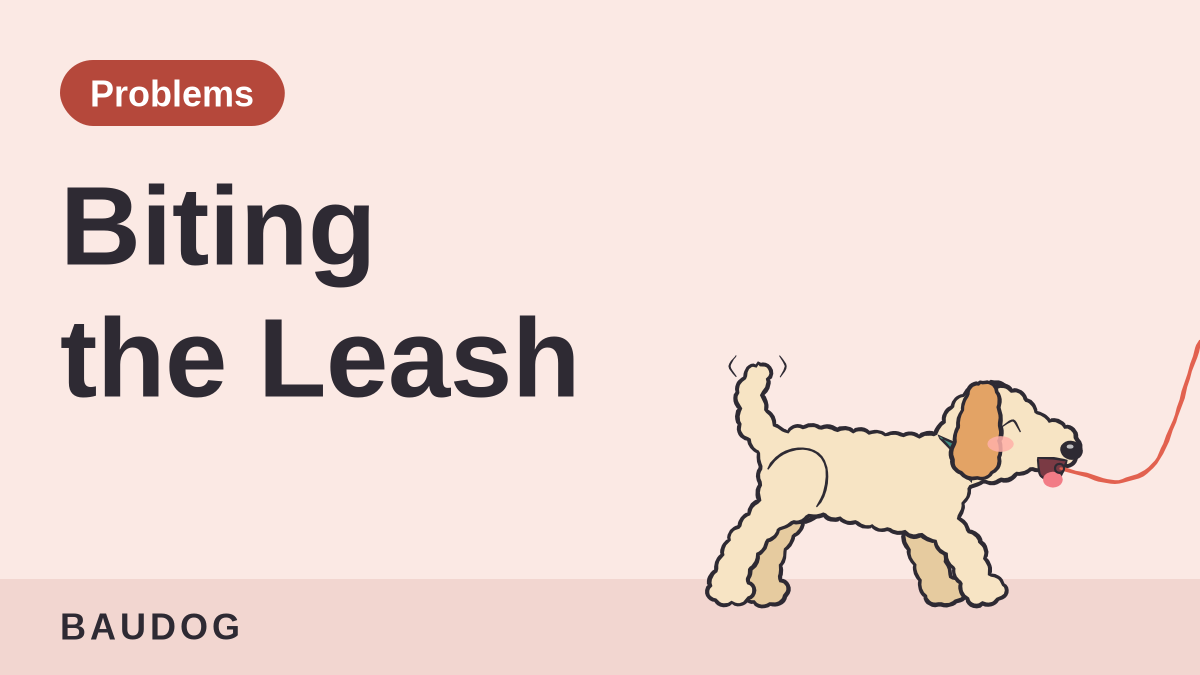 Problems Dog Chewing the Leash on Walks? 4 Reasons Dogs Bite the Leash — and How to Stop It Without a Tug-of-War A dog who bites the leash isn’t being naughty or “testing you.” There are four common reasons: she’s so excited about the walk that the energy has to go somewhere; she’s frustrated that she can’t go where she wants; she’s playing with the swinging leash, or bored; or she’s worried about a dog or person coming closer and can’t get away. Dogs Trust, which calls biting, grabbing and shaking the lead “lead ragging,” says it is very common. The single most important thing in the moment: don’t tug back. To your dog, that starts a game of tug-of-war. Keep your hands still, stop walking, and offer her a toy she is allowed to grab instead. Then watch when it happens, and get in first next time. Read →
-
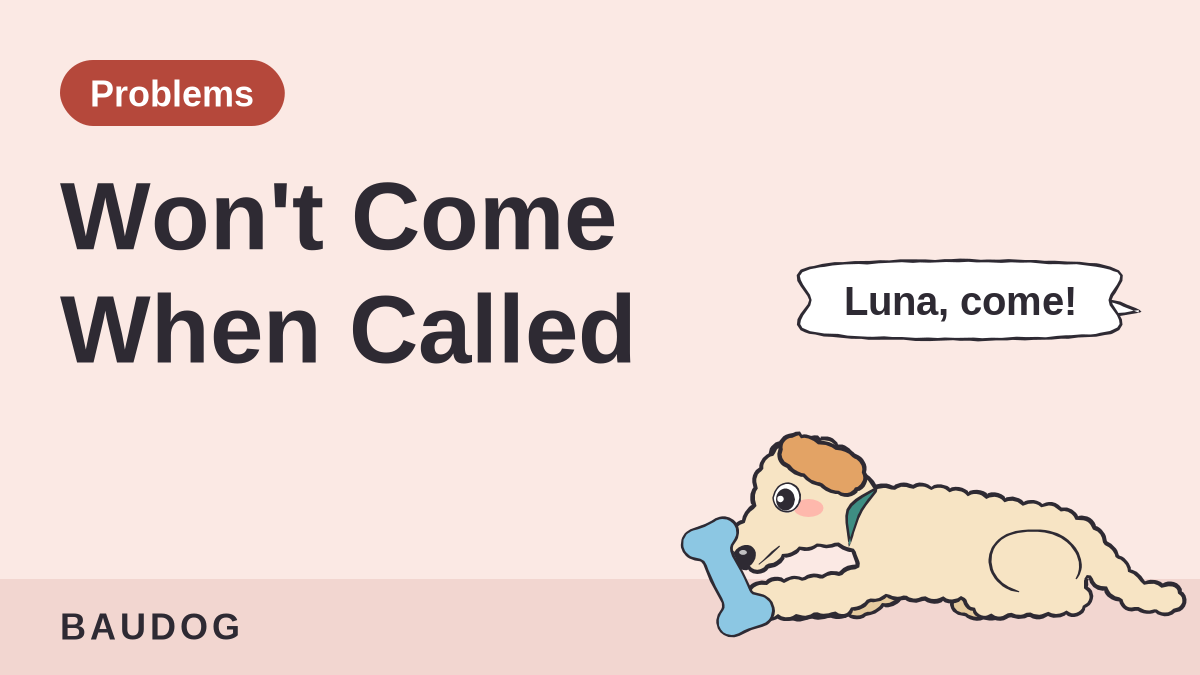 Problems Dog Won’t Come When Called? Why It Happens and How to Fix It Your dog isn’t being stubborn. Either coming to you has stopped paying off — it ends the fun, or it once got her scolded — or “come” was never really taught in the place you’re using it. Stop calling where it keeps failing, make every return the best thing that happens on the walk, and rebuild the recall in four stages: at home, in your yard or right outside your door, in a quiet open space on a long line, then around distractions. Our rule of thumb: move up a stage once she comes 8 out of 10 times. Read →
-
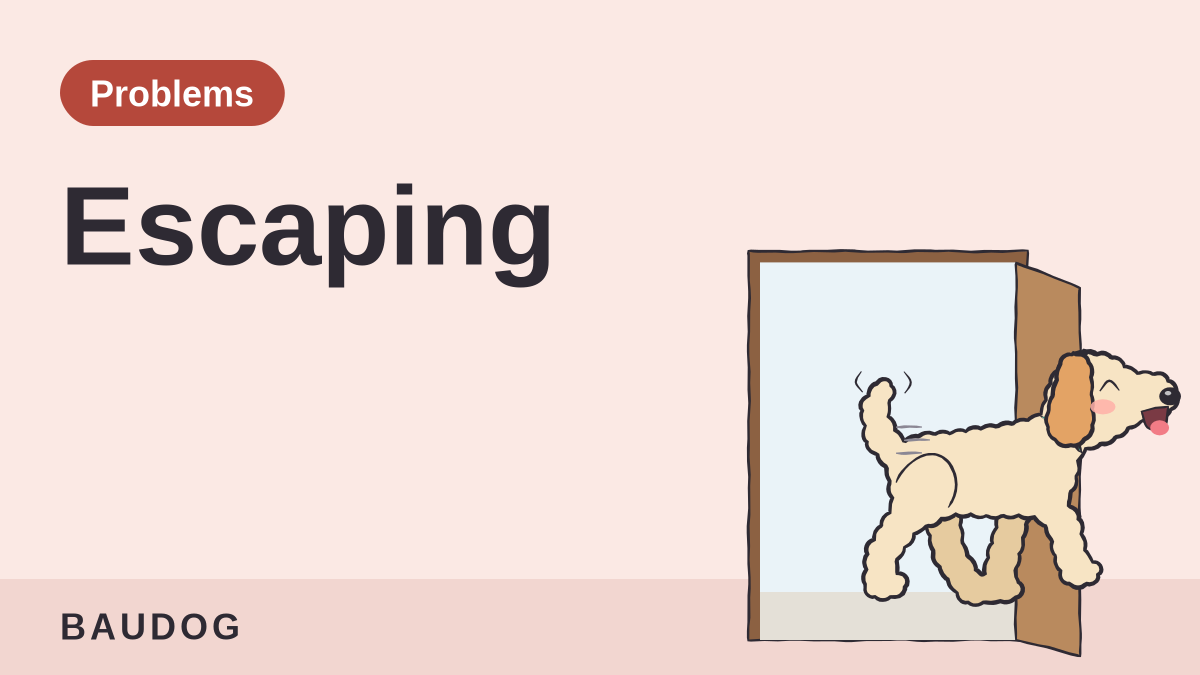 Problems Dog Escaping? How to Stop Door Dashing — and What to Do If Your Dog Gets Out An escaped dog can be hit by a car or lost for good, so prevention comes before training. Put a gate inside the front door, settle your dog in another room or clip the leash on before you open it, and check your fence, collar and harness. Then teach her to wait at doors, say please by sitting, turn to her name, and come when called. If she gets out, don’t chase her and don’t scold her when she comes back. If she doesn’t come straight back, call your local animal control and shelters right away (US) or the council dog warden (UK), and search outward from home. An ID tag with your phone number and a registered, up-to-date microchip are what get a found dog back to you. Read →
-
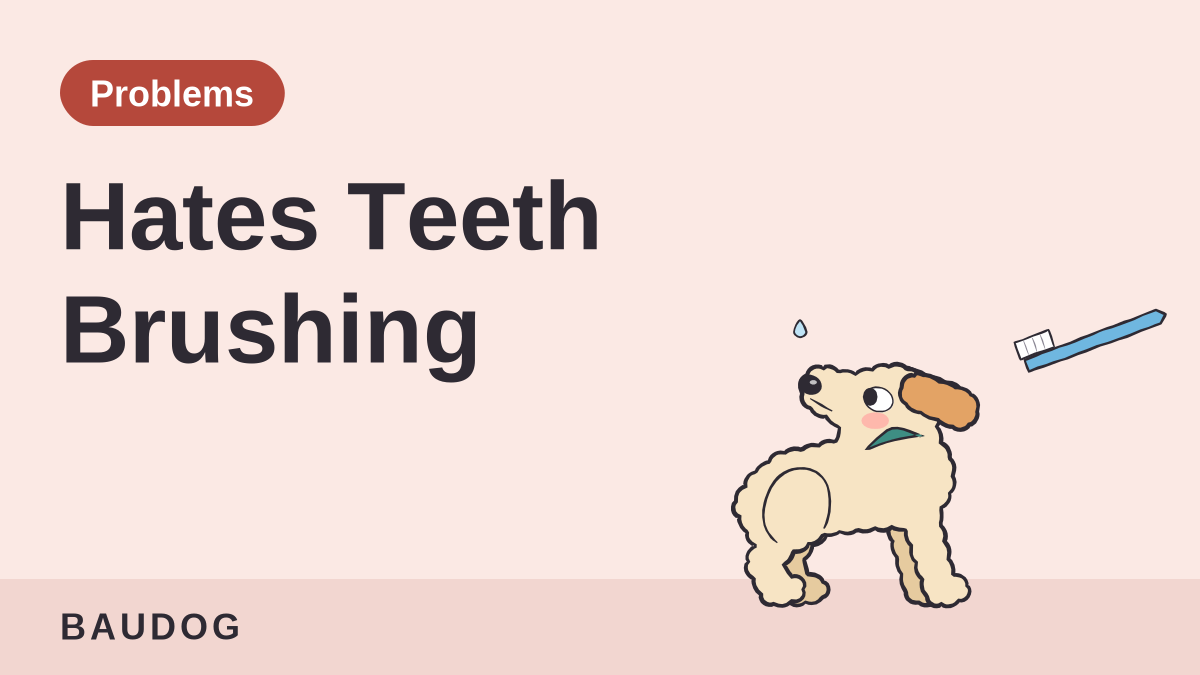 Problems Dog Hates Teeth Brushing? How to Rule Out Pain and Train It Step by Step Your dog isn’t being difficult. The mouth is a place many dogs don’t like being handled, and if she has been held still while a brush was pushed in, the brush itself now predicts something unpleasant. Sore teeth or gums make it worse. So look first: bad breath, red or bleeding gums, brown tartar? See your vet before you train. If her mouth looks healthy, stop holding her and rebuild in small steps — touch her face, then a treat — until you can brush the outside of her teeth. The goal is brushing every day, which is what veterinary dental guidelines recommend. Read →
-
 Problems Dog Hates Nail Trimming? How to Fix It, One Nail at a Time Most dogs who hate nail trims have had several unpleasant things happen at once: a paw grabbed, a body held down, maybe a nail cut too short. Every dog is different, but feet are a sensitive area to begin with, and holding a dog down to do all the nails in one go tends to make the next trim harder. The fix is to break the trim into small steps — shoulder, elbow, paw, seeing the clippers, hearing them, then one nail — and pair each step with something good. One nail per session is fine. One nail a day still gets every nail done. If your dog growls or tries to bite, don’t push on alone: talk to your vet. Read →
-
 Problems Dog Hates Being Brushed? Why It Happens and How to Make Brushing Easy Sometimes a dog hates brushing because she remembers it hurting or scaring her — the American Kennel Club lists this as one possible reason. Mats got pulled, someone brushed too hard, she was held down. Dogs are said to remember frightening or painful experiences well. The fix isn’t to hold her still and finish the job. Go back to before the brush: your hand, then a treat. Then brush a few strokes on a spot she likes and stop. Don’t try to pull out big mats or cut them out with scissors — leave those to a groomer or your vet. And if she objects strongly to one particular area, it may hurt there (skin, joints, ears), so have your vet take a look. Read →
-
 Problems Dog Scared of Thunder? What to Do During a Storm, and How to Help Long Term Fear of thunder is common in dogs. If your dog comes to you for comfort, talk to her calmly and stroke her — it won’t make her fear worse. During a storm, close the windows and curtains, put on some music, and make sure she has a hiding place she can choose for herself. For longer-term training, BAUDOG suggests using thunder recordings, starting very quietly, in a season when storms are rare where you live. Recordings alone rarely make thunder fear disappear completely, though. If she panics — drooling, losing control of her bladder, hurting herself trying to escape — see your vet early. They may prescribe a medication to give before a storm. Read →
-
 Problems Dog Hates the Crate? How to Tell Protest from Panic, and Start Over the Right Way A dog who hates the crate has learned that going in means being shut in or left alone. Start by taking the door off or propping it open. Toss treats at the entrance and then further in, and feed her meals inside. Close the door only once she eats calmly inside, and only while she’s eating at first. If she whines, you went too fast — make the next time shorter. Don’t open the door mid-whine; wait for a moment of quiet. But heavy panting, drooling and frantic escape attempts are panic, not protest. Stop using the crate for now and use a room closed off with a baby gate instead. Read →