 BAUDOG The dictionary of dog–human communication
Commands
Commands
Sit, down, stay. Voice cues, hand signals and step-by-step teaching.
-
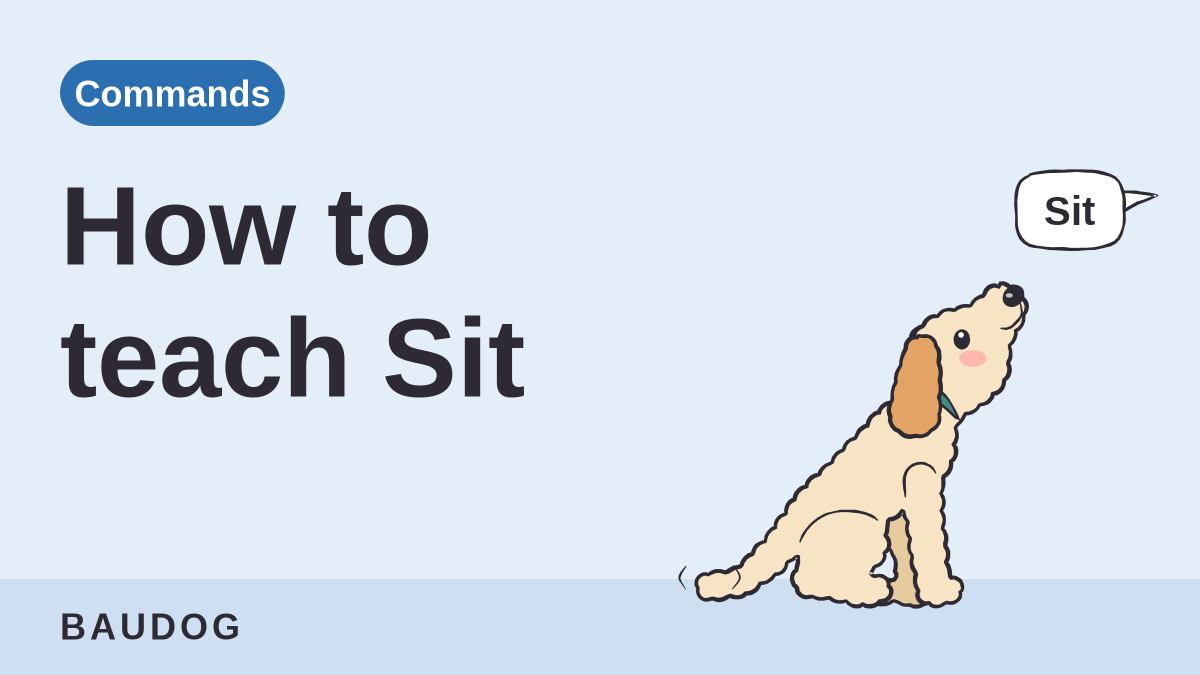 Commands How to Teach a Dog to Sit — and What to Do When Your Dog Won’t Sit One “Sit,” and her bottom goes to the floor and stays there until you give the next cue or say “Free.” Indoors and out, whether you’re standing or sitting in a chair. Once she learns to sit on her own when she wants something — instead of jumping up — everyday life gets a lot easier. Read →
-
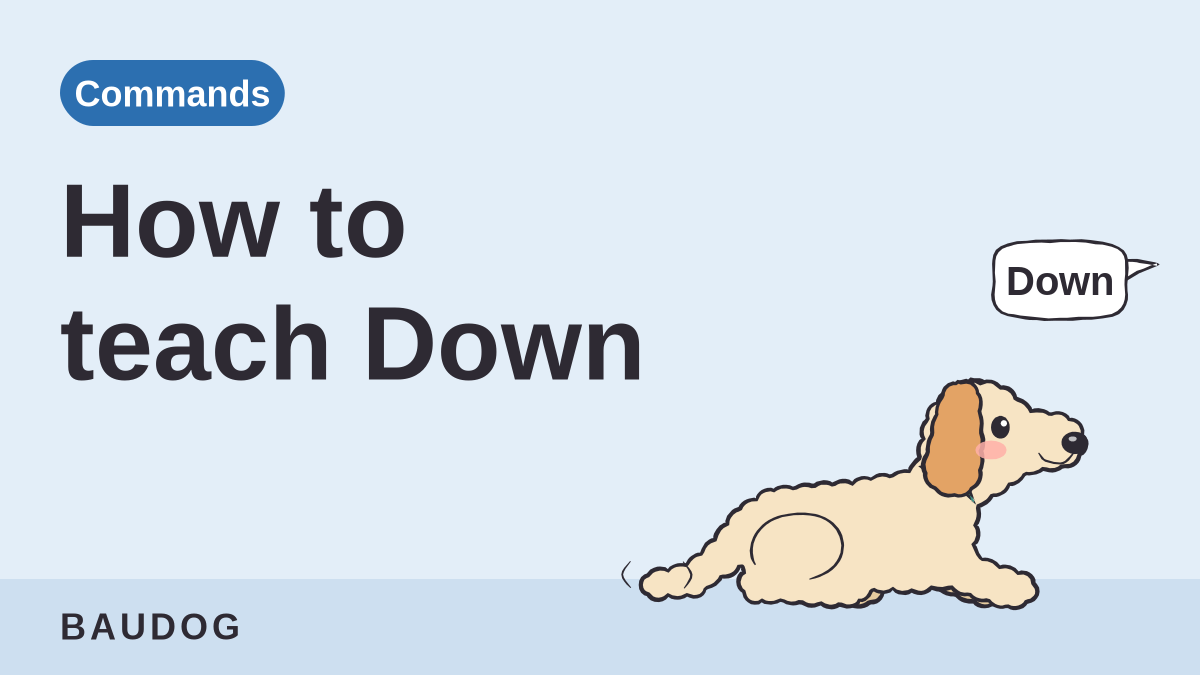 Commands How to Teach a Dog to Lie Down: Step by Step, Plus Fixes When She Won’t One “Down,” and her belly and both elbows go to the floor and stay there until the next cue or “Free.” Down is the position dogs are most often asked to hold for longer waits, and it’s the doorway to calm-down skills like settling on a mat or waiting at a café. Read →
-
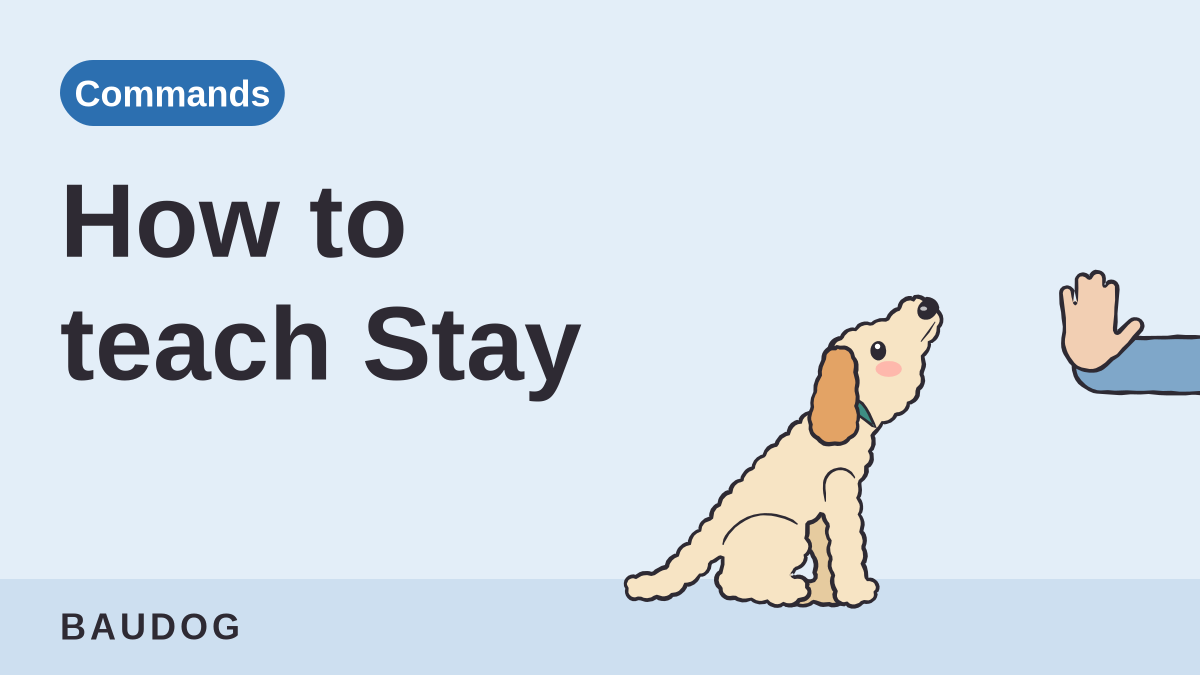 Commands How to Teach a Dog to Stay (Release Word, Time, Distance, Distractions) On “Stay,” she holds that position in that spot until you come back and say “Free.” Opening the front door, clipping the leash on before she jumps out of the car, when visitors arrive — a dog who can stay is protected from dangerous bolting. Read →
-
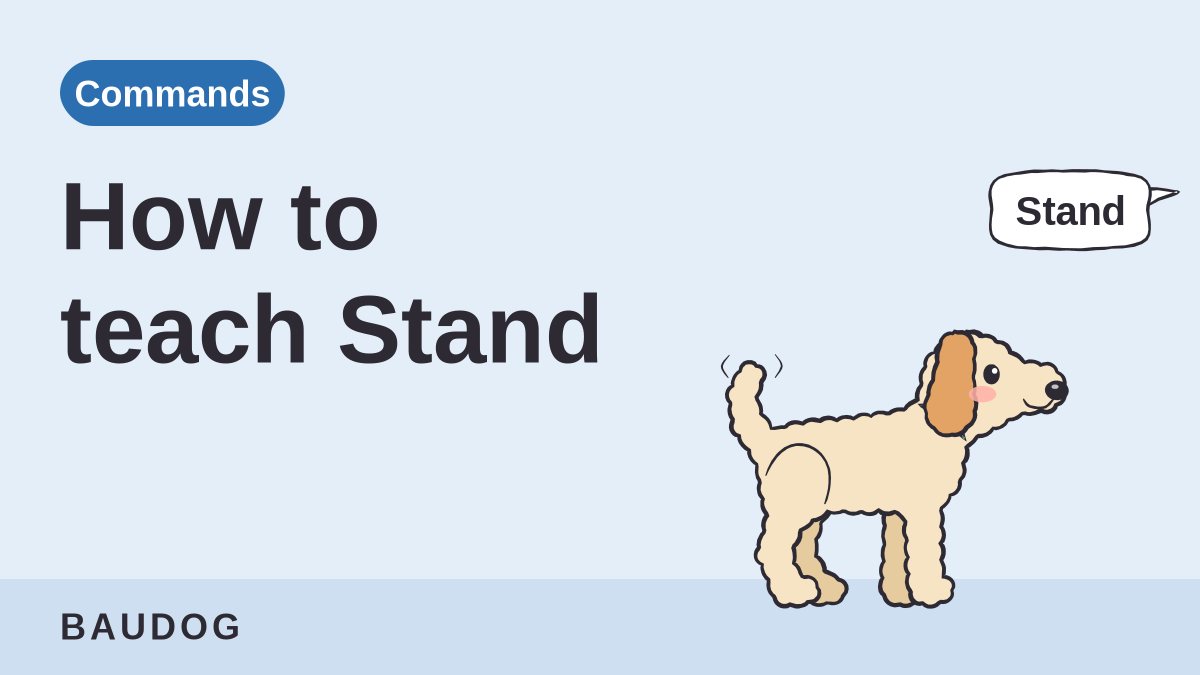 Commands How to Teach a Dog to Stand on Cue (Paw Wiping, Grooming, Vet Visits) On “Stand,” she rises from a sit or down onto all four feet and holds still. Wiping her paws, putting on a harness, brushing her, a vet checking her over — a dog who can stand still makes everyday care easier. Read →
-
 Commands How to Teach a Dog “Off”: Getting Off the Couch, the Bed and People One “Off,” and she puts all four paws back on the floor — off the couch, the bed or a person — without you pulling her collar or lifting her down. And once she’s down, she has her own bed or mat to relax on. Read →
-
 Commands How to Teach a Dog to Come: Recall Training Step by Step You say (if her name is Luna) “Luna, come” once, and whatever she’s doing, she runs to you, stops at your feet and lets you take hold of her collar. That’s a finished recall. The order to teach it: turning to her name → “come” from close up indoors → recall games with the family → your yard or just outside your door (on leash) → a quiet open space (on a long line). Every time she arrives, something good happens. That’s the whole method, repeated. Read →
-
 Commands Watch Me Command: How to Teach Your Dog Eye Contact on Cue You say “Watch me,” and your dog looks up at your face and holds it there for a few seconds, waiting for what comes next. That’s eye contact on cue. The point isn’t a long stare. It’s getting her attention on you, ready to hear the next cue, with a single word. Read →
-
 Commands How to Teach a Dog to Heel: Walking Close at Your Side, Step by Step You say “Heel,” and your dog comes to your left side, her shoulder level with your leg; when you stop, she stops, and when you turn, she stays with you. That’s heel. It’s a precise way of walking for short stretches — through crowds, past people, crossing the road. It isn’t something to ask for the whole walk. Read →
-
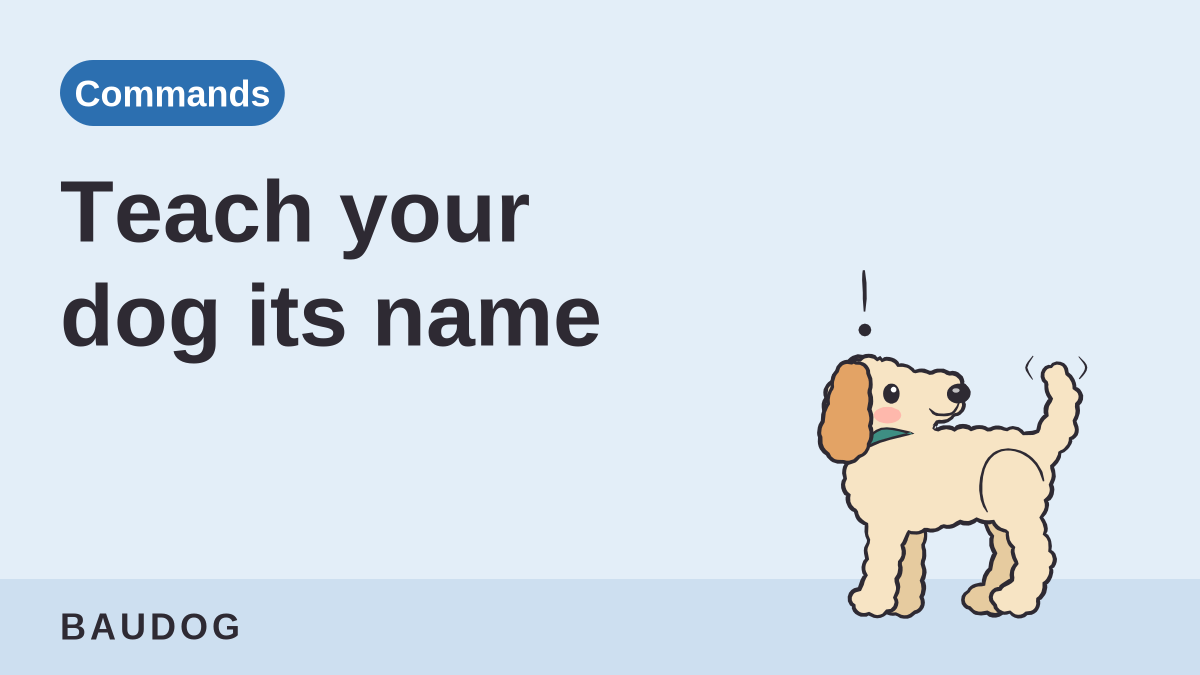 Commands How to Teach a Dog Its Name (and What to Do When It Doesn’t Stick) You say her name once, and your dog turns to you straight away — within about two seconds. That’s a dog who knows her name. Dogs don’t so much understand “this is me” as learn “after this sound, turning toward that person pays off.” So make something good happen after her name every time, and never use it for things she dislikes. That’s how a name is learned. Read →
-
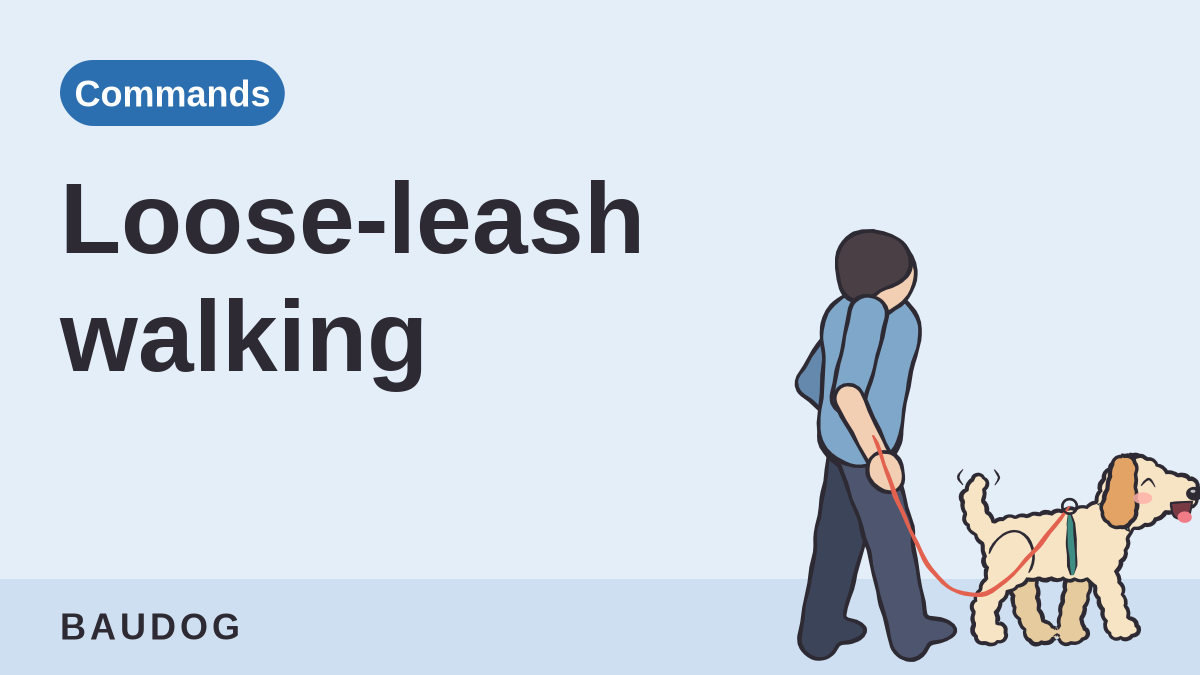 Commands Loose Leash Walking: How to Teach Your Dog to Walk Without Pulling The leash hangs in a loose J while your dog walks near you. A little ahead or at your side is fine, as long as the leash isn’t tight. There’s time to sniff, too — it’s the way you walk every day. You’re teaching her two things: “a loose leash gets me forward, a tight one stops everything,” and “being near you pays.” Read →
-
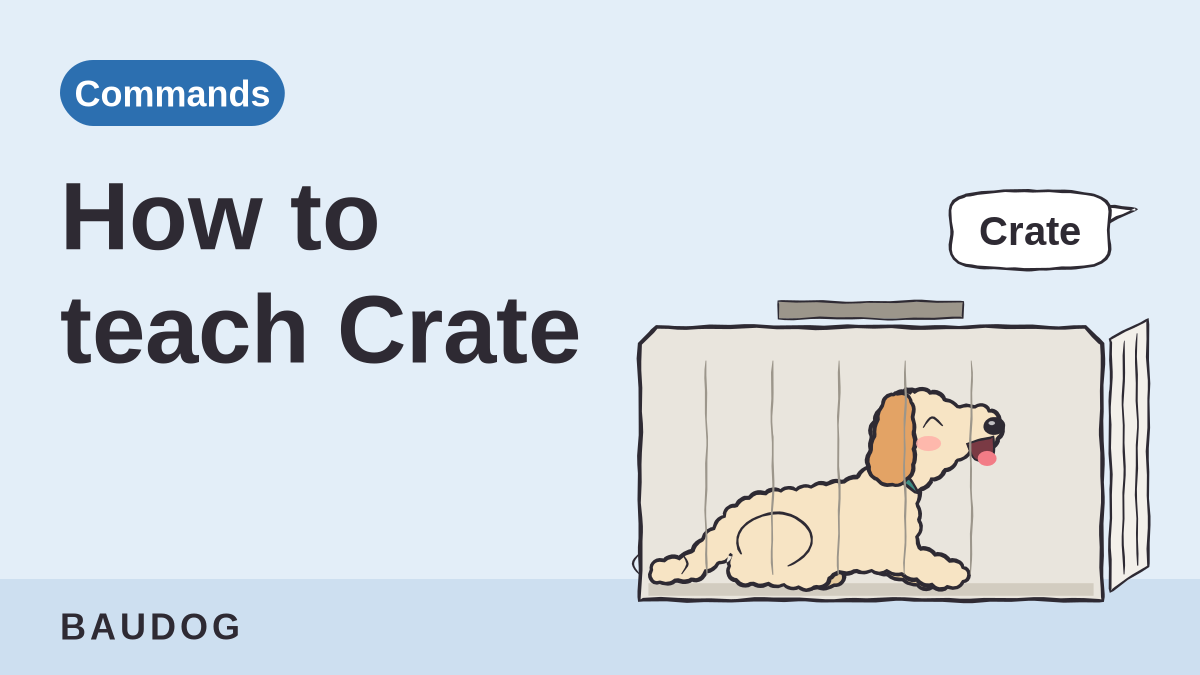 Commands Crate Training: How to Teach Your Dog to Go in on Cue and Wait for “Free” Say “Crate” once, and your dog trots to her crate from anywhere in the room and lies down inside. When the door opens, she waits until you say “Free.” The crate cue isn’t a word for shutting her away. It sends her to a place where good things happen and she can rest. So the order matters: make the crate a place she loves first, then put a word to it. Read →
-
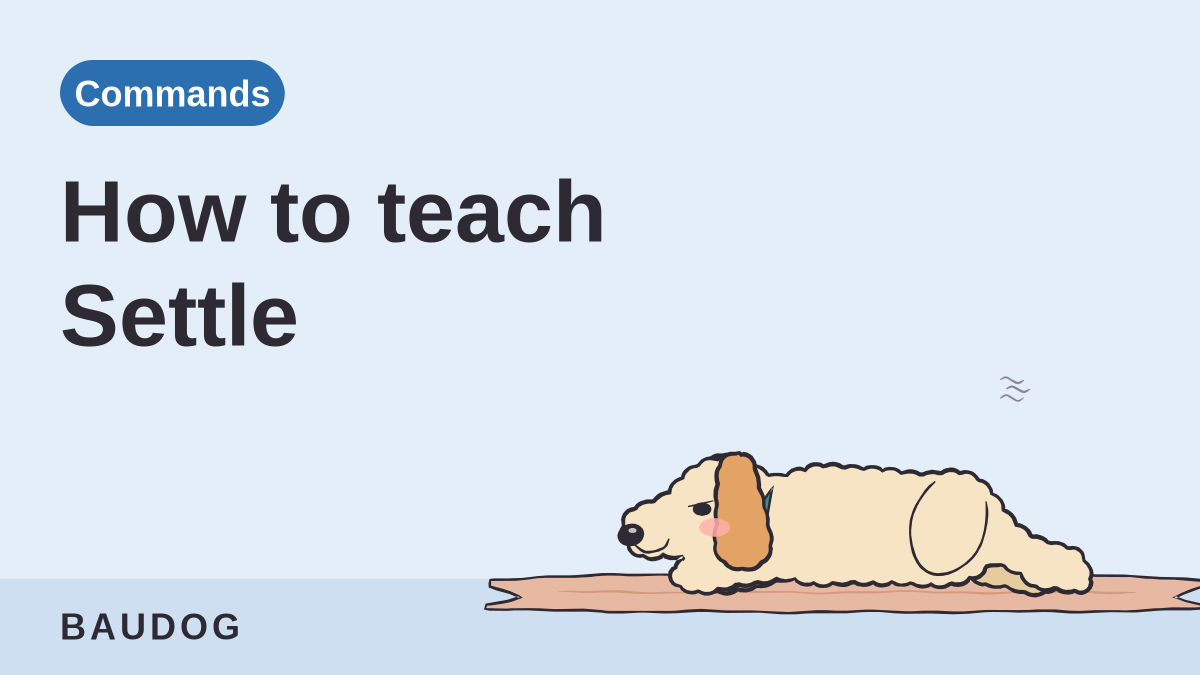 Commands How to Teach Your Dog to Settle: Mat Training for a Calm-Down Cue Say “Settle,” and your dog lies down, rolls onto one hip, rests her chin on the floor and stays quiet. It isn’t a telling-off, and it isn’t a magic word that stops a dog mid-frenzy. You build it by teaching her to relax on a mat first, then quietly adding the word just as she starts to relax. Read →
-
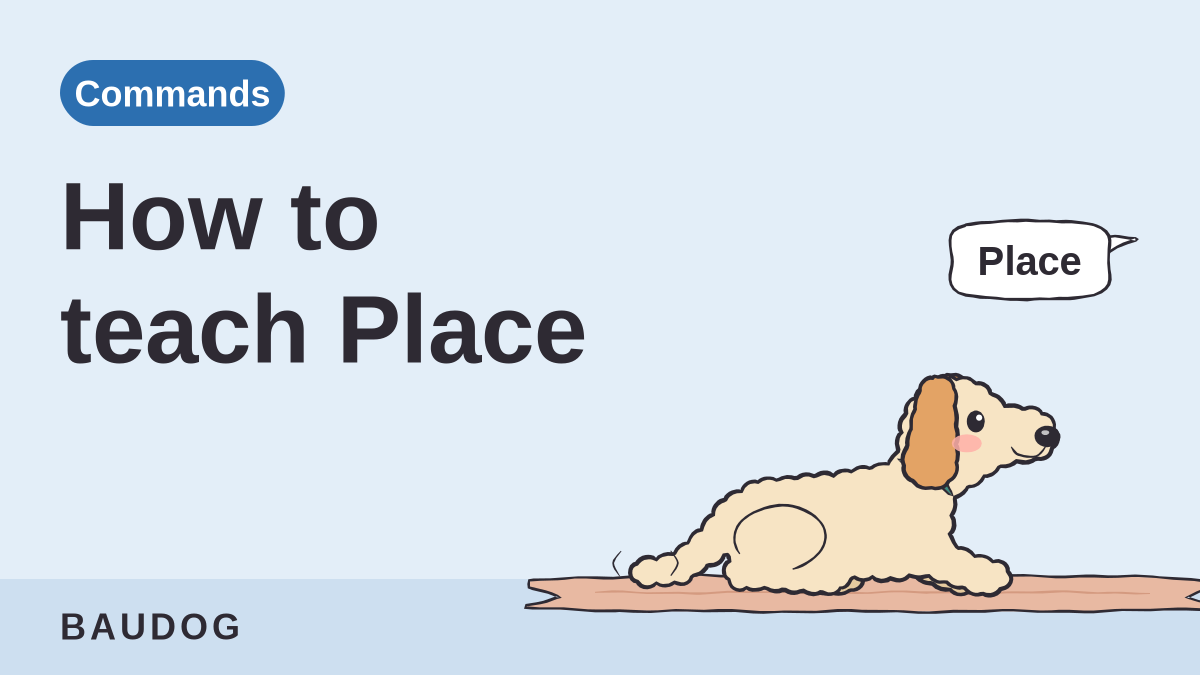 Commands The Place Command: How to Teach Your Dog to Go to Her Spot and Stay Until Released Say “Place,” and your dog walks across the room to her mat, lies down, and rests there until you say “Free.” While you cook, when guests arrive or on a café patio, she knows exactly where to be — and everyone relaxes. It isn’t about pinning her down. She stays because the mat is comfortable and good things happen there. Read →
-
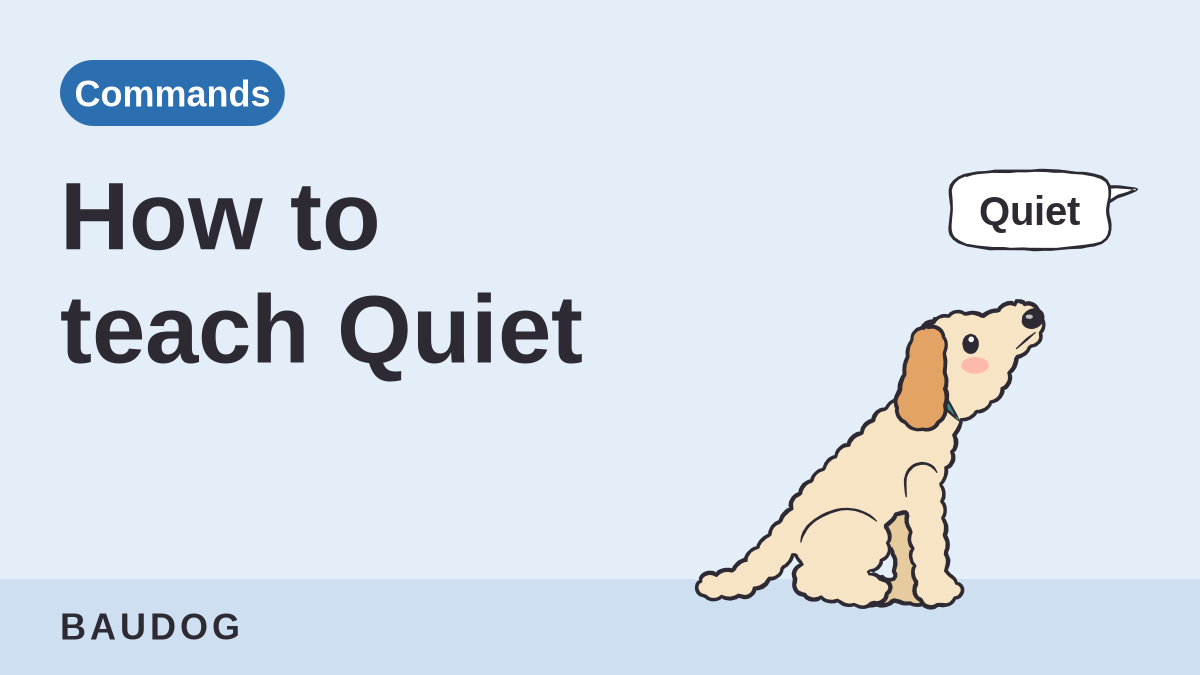 Commands How to Teach a Dog “Quiet”: Building a Stop-Barking Cue That Works Say “Quiet,” and your dog stops barking, closes her mouth and looks at you. It isn’t a telling-off. You build it by rewarding the moment she goes quiet, again and again, until she learns that going quiet after this word pays. But even when the cue stops the barking for now, the reason she barks — fear, guarding, boredom, worry about being alone — is still there. That needs its own plan: see our Stop Barking page and the practices below. Read →
- Commands How to Teach Your Dog to Give: Trade for a Treat, Then Release Into Your Hand On the cue, your dog lets go of what’s in her mouth by herself and hands it to you. She knows that letting go pays — a treat, and often the toy comes straight back — so it doesn’t turn into keep-away or a tug-of-war. Read →
- Commands “Drop It” Command: How to Teach Your Dog to Let Go of Toys During Play In the middle of tug or fetch, you say “Drop it” and your dog lets go of the toy. She knows that letting go means the game starts again, so she has no reason to hang on. Read →
- Commands “Leave It” Command: How to Teach Your Dog to Ignore Food and Things on the Ground On “Leave it,” your dog turns her nose away from whatever is on the floor or the sidewalk and looks at you. She knows that leaving it means something better comes from you. Read →
-
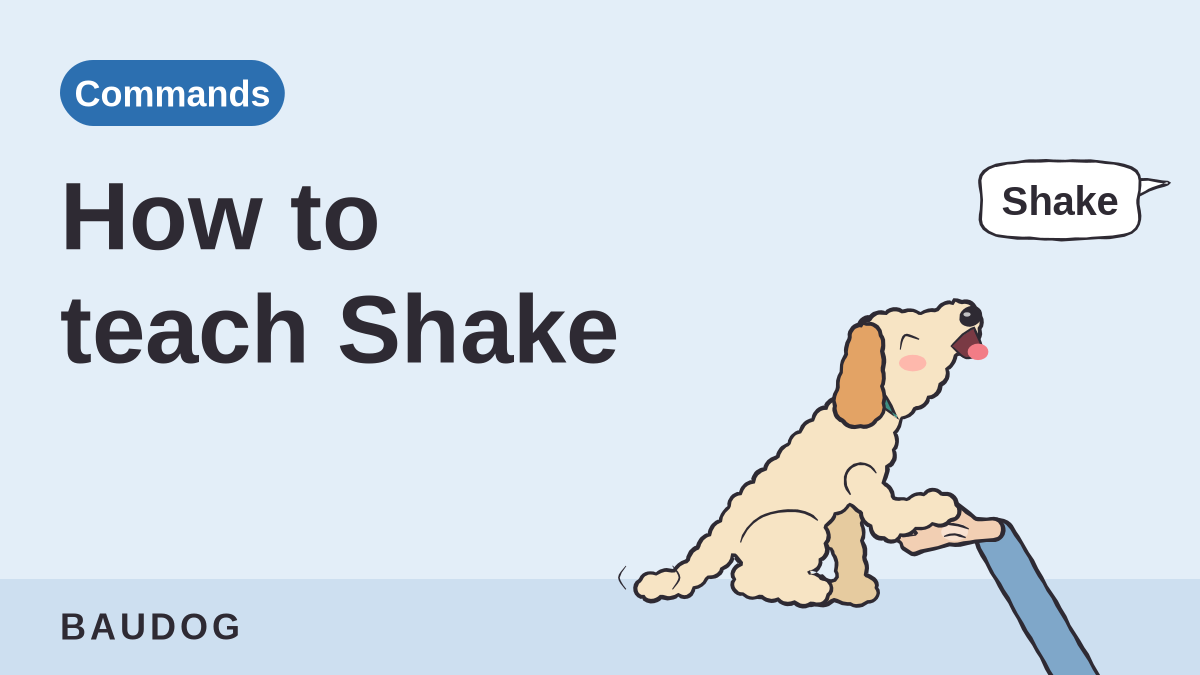 Commands How to Teach a Dog to Shake: No Paw-Lifting, Plus Puppy Age and Fixes Shake is your dog putting a front paw into your open hand on her own. Rather than picking up her paw and shaping it for her, hold out a fist with a treat inside, wait, and say “Yes” the instant her paw touches it — that way she learns that lifting the paw herself is what pays. Add the word “Shake” only once the paw comes up every time. A puppy can start soon after coming home, as a game that lasts a few minutes. Read →
-
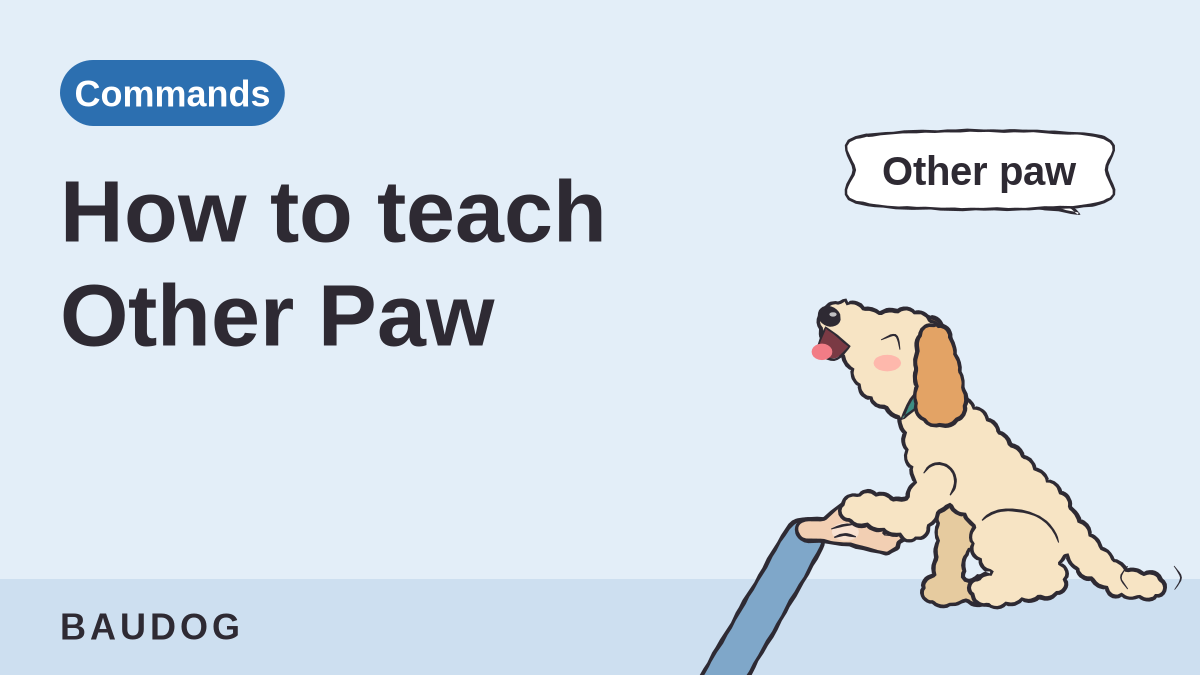 Commands How to Teach Your Dog to Shake With the Other Paw — and Tell the Two Apart “Other paw” is your dog putting the opposite front paw — not her “Shake” paw — into your hand. Teach it only after shake is reliable. Start by holding out your other hand to draw out the other paw; once you’ve added the words “Other paw,” mix it with “Shake” so she learns to tell them apart by the word (our suggestion: mix them in no set order). If she gives the wrong paw, don’t scold — reward only the right one. Read →